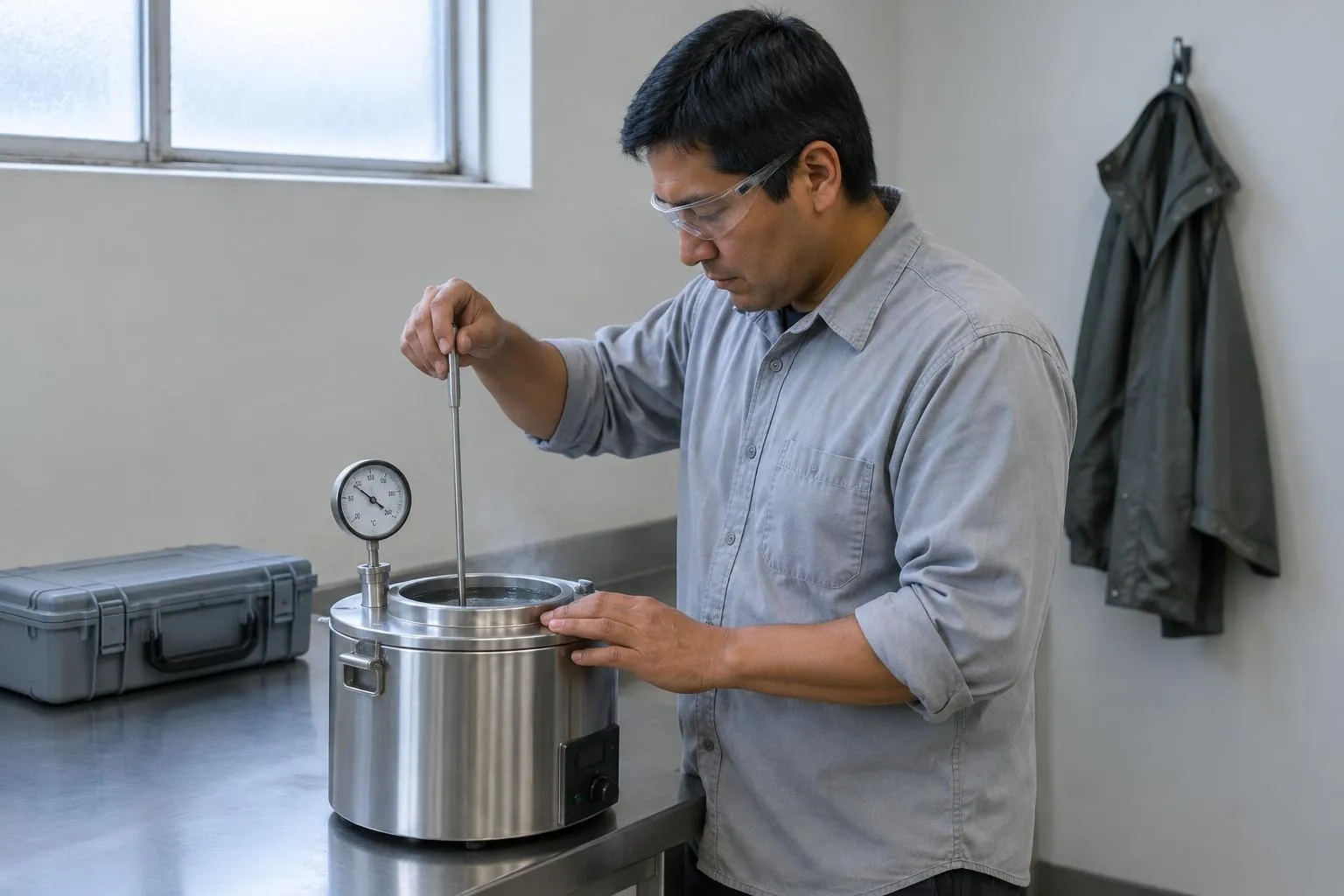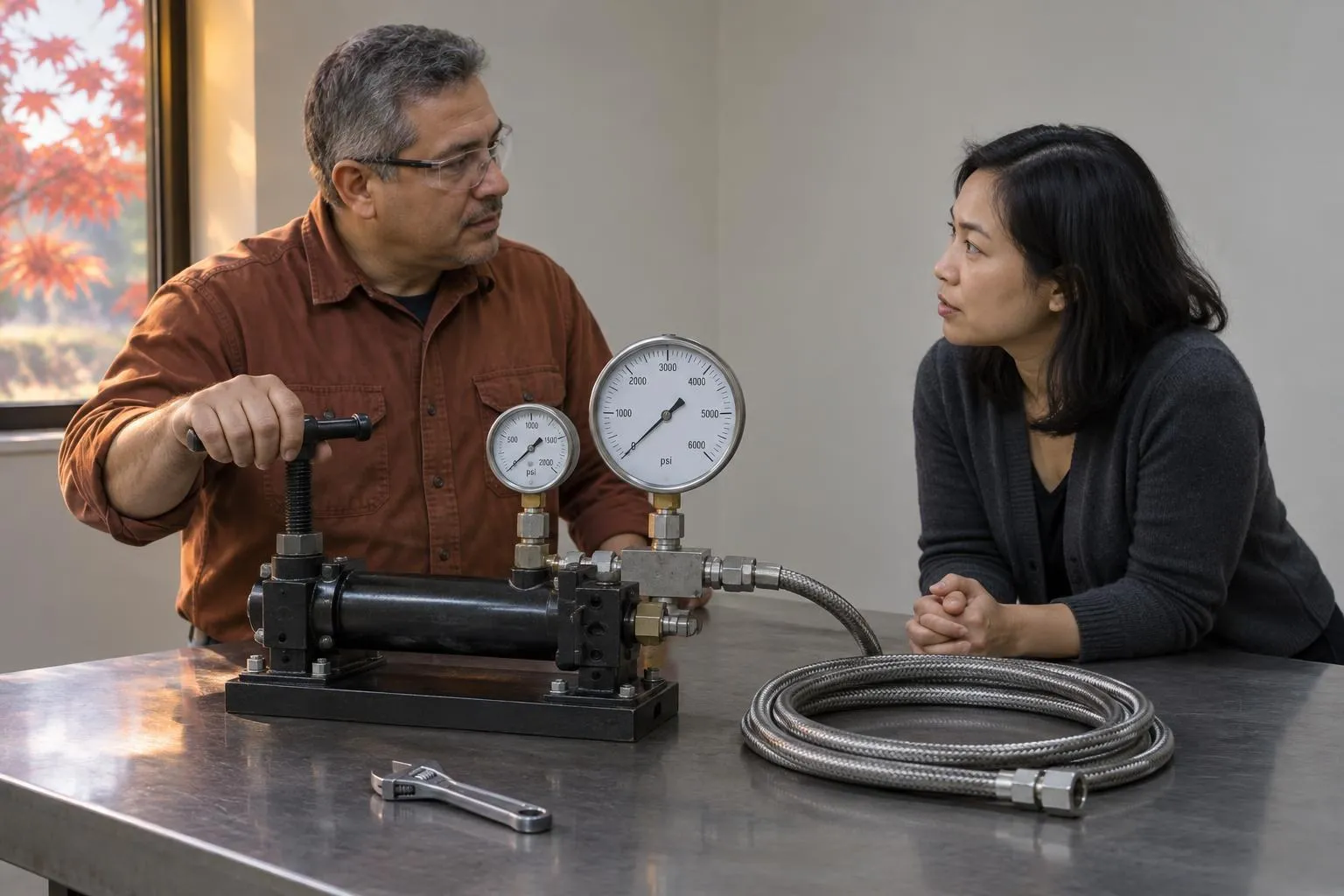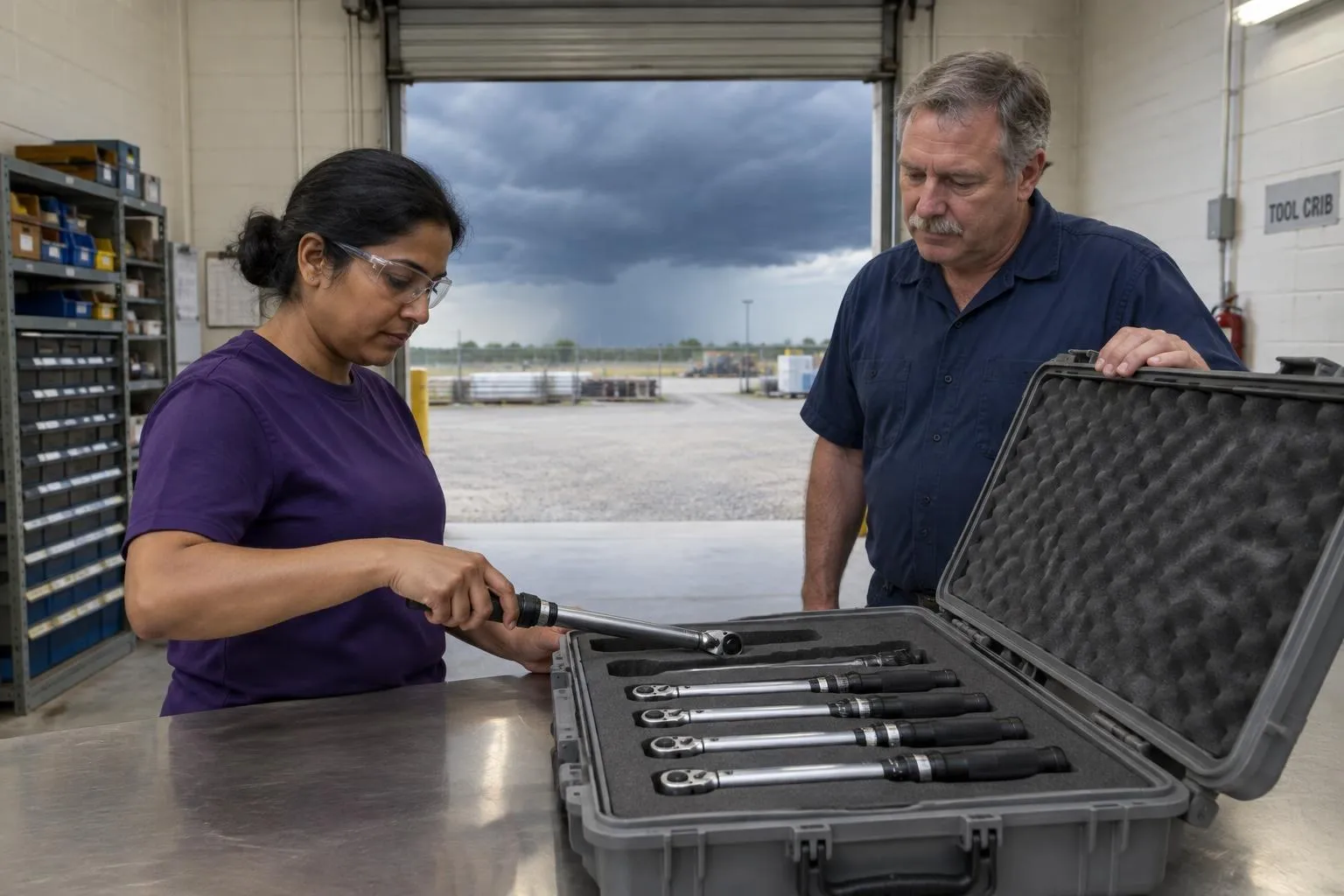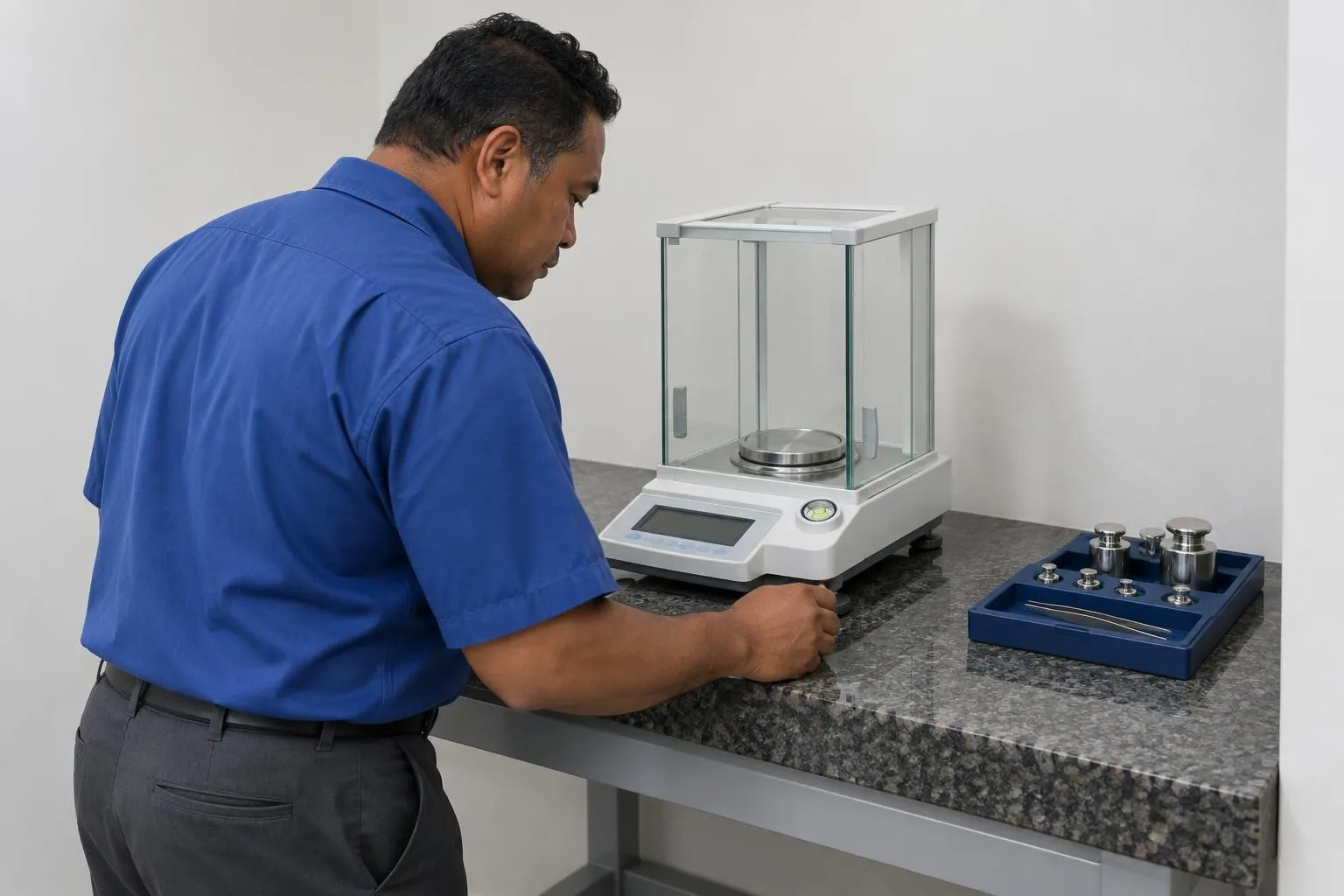
Get free quotes from calibration services near you
Takes about a minute. Free, no obligation; providers reply to you directly.
A plant manager I know spent three years convinced his torque wrenches were fine. Calibrated once when they were new, logged in the system, never touched again. Then an ISO 9001 audit came through, the auditor asked for calibration certificates, and he handed over paperwork from a lab that had lost its A2LA accreditation eighteen months prior. The nonconformance shut down a product line for two weeks.
Nobody told him what “calibrated” actually required. He learned the hard way.
The Short Version:Most calibration mistakes aren’t about the instruments — they’re about process gaps: wrong schedules, unaccredited providers, poor documentation, and environments that silently corrupt measurements. Fix the process and the rest follows.
Key Takeaways
- A calibration certificate from a non-accredited lab is worth less than the paper it’s printed on during an audit
- Environmental conditions (temperature, humidity, vibration) can invalidate a calibration before the technician leaves the building
- “Once calibrated, always calibrated” is the most expensive assumption in metrology
- Documentation isn’t bureaucracy — it’s the only thing that proves compliance when something goes wrong
Mistake 1: Treating Calibration as a One-Time Event
Instruments drift. Full stop. Wear, environmental exposure, mechanical shock, and simple age all shift measurement output over time. Tra-Cal Lab has documented businesses that calibrated equipment at purchase and never revisited it — only discovering the drift when production anomalies surfaced months later.
The fix is a schedule based on three factors: usage frequency, operating environment, and post-event triggers (major projects, drops, repairs, or moves). Digital reminders and automated calibration management systems exist precisely because manual tracking fails at scale.
Reality Check:The assumption that “it was fine last time” is not a calibration schedule. It’s a wish.
Mistake 2: Using Non-Accredited Providers or Non-Traceable Standards
This is the one that bites hardest in audits. ISO/IEC 17025 accreditation — issued by bodies like A2LA or NVLAP — means a lab’s measurement processes have been independently verified. A certificate from a non-accredited shop gives you a number with no defensible chain of traceability back to NIST.
When an AS9100 or ISO 9001 auditor asks “is this NIST-traceable?” and your certificate doesn’t come from an accredited lab, you don’t have an answer. You have a problem.
Verify accreditation status before engaging any provider. A2LA’s directory is public and searchable. It takes two minutes and it’s the most important two minutes in the procurement process.
Mistake 3: Ignoring Environmental Conditions During Calibration
Temperature, humidity, and vibration aren’t background noise — they’re variables that directly affect measurement output. A pressure sensor calibrated in a 90°F warehouse and then deployed in a climate-controlled cleanroom will behave differently than its certificate suggests.
Accredited labs control for this. On-site calibration without environmental monitoring does not.
Pro Tip:If a technician is calibrating your equipment on the shop floor next to a running press, ask what environmental controls are in place. If they look confused, you have your answer.
Mistake 4: Overlooking Zero and Span Errors Together
Zero errors (a consistent offset at the baseline) and span errors (mismatch at the high end of the measurement range) are both common — and correcting only one while ignoring the other compounds the problem across the full measurement range.
Flagship Inc.’s technical team frames it clearly: zero and span errors interact. A positive zero offset plus a span mismatch doesn’t produce a linear error — it produces one that grows as values increase. Both must be characterized and corrected together.
Mistake 5: Skipping Hysteresis Testing
Hysteresis is the phenomenon where an instrument’s output differs depending on whether the measurement is approached from above or below. A gauge that reads 50 psi correctly on the way up might read 52 psi on the way down — and an up-only calibration test will never catch it.
The solution is an up-down calibration protocol that tests both directions of input travel. It’s not exotic. It’s just rarely done by providers who are moving fast.
Mistake 6: Using Wrong Manufacturer Values or Setup Configurations
Calibration is only as good as the reference values it’s calibrated against. Using outdated manufacturer specifications, incorrect span settings, or misconfigured instrument parameters introduces systematic error before the first measurement is taken.
| Error Type | What Goes Wrong | Prevention |
|---|---|---|
| Wrong zero reference | Constant offset across all readings | Verify against current manufacturer documentation |
| Incorrect span value | Error magnifies at measurement extremes | Use instrument-specific calibration constants |
| Improper installation | Mechanical stress affects sensor output | Follow installation specs before calibrating |
| Outdated specs | Calibrated to wrong target values | Pull current docs, not manuals from original purchase |
Mistake 7: Failing to Document Everything
LigoLab’s analysis of lab quality issues found that improper calibration often went unnoticed until test discrepancies appeared downstream — and when that happened, there was no paper trail to diagnose the source.
Documentation is not optional. It includes: calibration certificates with uncertainty values, instrument logbooks, SOPs for each procedure, and records of any adjustments made. Without these, you can’t demonstrate compliance, can’t investigate failures, and can’t show auditors anything meaningful.
Nobody tells you this until the audit.
Mistake 8: Neglecting Equipment Maintenance Between Calibrations
Calibration is a snapshot. Maintenance is what keeps the snapshot valid between intervals. Corrosion, contamination, mechanical wear, and overloading all cause drift that accelerates between calibration cycles.
A routine QC program — control samples, certified reference materials, periodic functional checks — catches problems before they cascade into nonconformance. The calibration schedule tells you when to verify. The maintenance program keeps you from needing early verification.
Reality Check:If you’re relying on calibration alone to catch equipment degradation, you’re already behind the problem.
Mistake 9: Assigning Calibration to Unqualified Personnel
SOPs only work if the person following them understands why each step exists. Calibration procedures require trained technicians who can recognize when conditions aren’t right, when results look implausible, and when to stop rather than proceed with suspect data.
Ongoing training, instrument-specific logbooks, and written SOPs maintained by a quality manager aren’t overhead — they’re the difference between a calibration that holds up under scrutiny and one that collapses when a customer audit goes deep.
Practical Bottom Line
The nine mistakes above share a common root: treating calibration as a transaction rather than a system. You’re not buying a sticker for your instrument — you’re maintaining a defensible chain of measurement integrity.
Start here:
- Verify every provider’s accreditation status against A2LA or NVLAP before signing anything
- Build a calibration schedule based on usage, environment, and post-event triggers — not just a calendar date
- Require documentation that includes measurement uncertainty, not just pass/fail
- Control the environment during any on-site calibration work
- Run up-down hysteresis tests on any instrument with direction-dependent output
For the full picture on what calibration laboratories actually do and how to evaluate them, see The Complete Guide to Calibration Laboratorys. If you’re working through an ISO 9001 or AS9100 audit cycle, the provider selection criteria there will save you several painful discoveries.
I’ll be honest: most of these mistakes are obvious in hindsight. The problem is nobody hands you the list before you need it.
Done reading? Get quotes from calibration laboratorys near you.
Takes about a minute. Free, no obligation; providers reply to you directly.
Popular cities:
Nick built this directory to help quality teams find accredited calibration labs without wading through unaccredited shops that can’t support an ISO audit — a gap he discovered when sourcing calibration vendors for a manufacturing client whose instrument traceability chain failed a third-party audit.