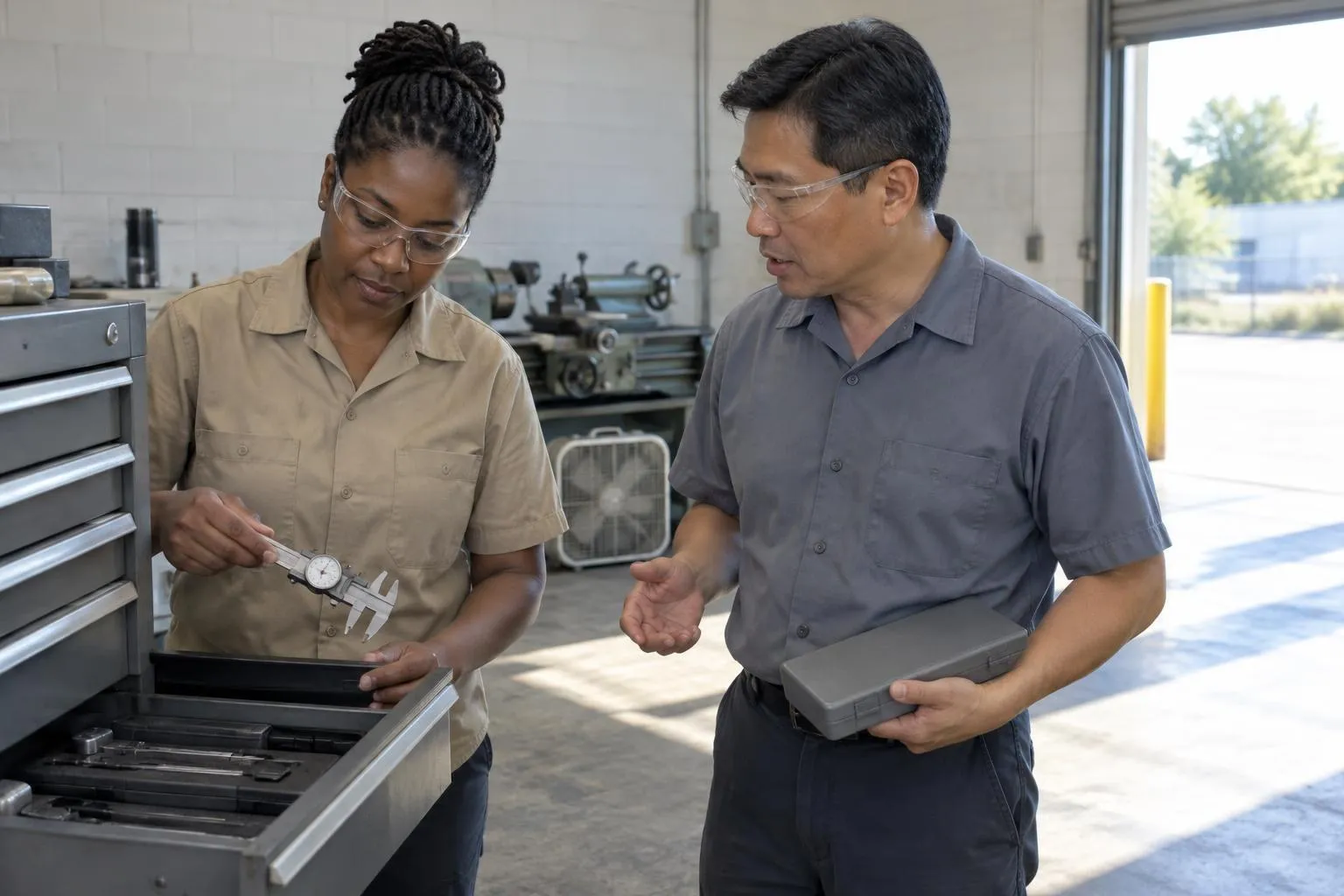
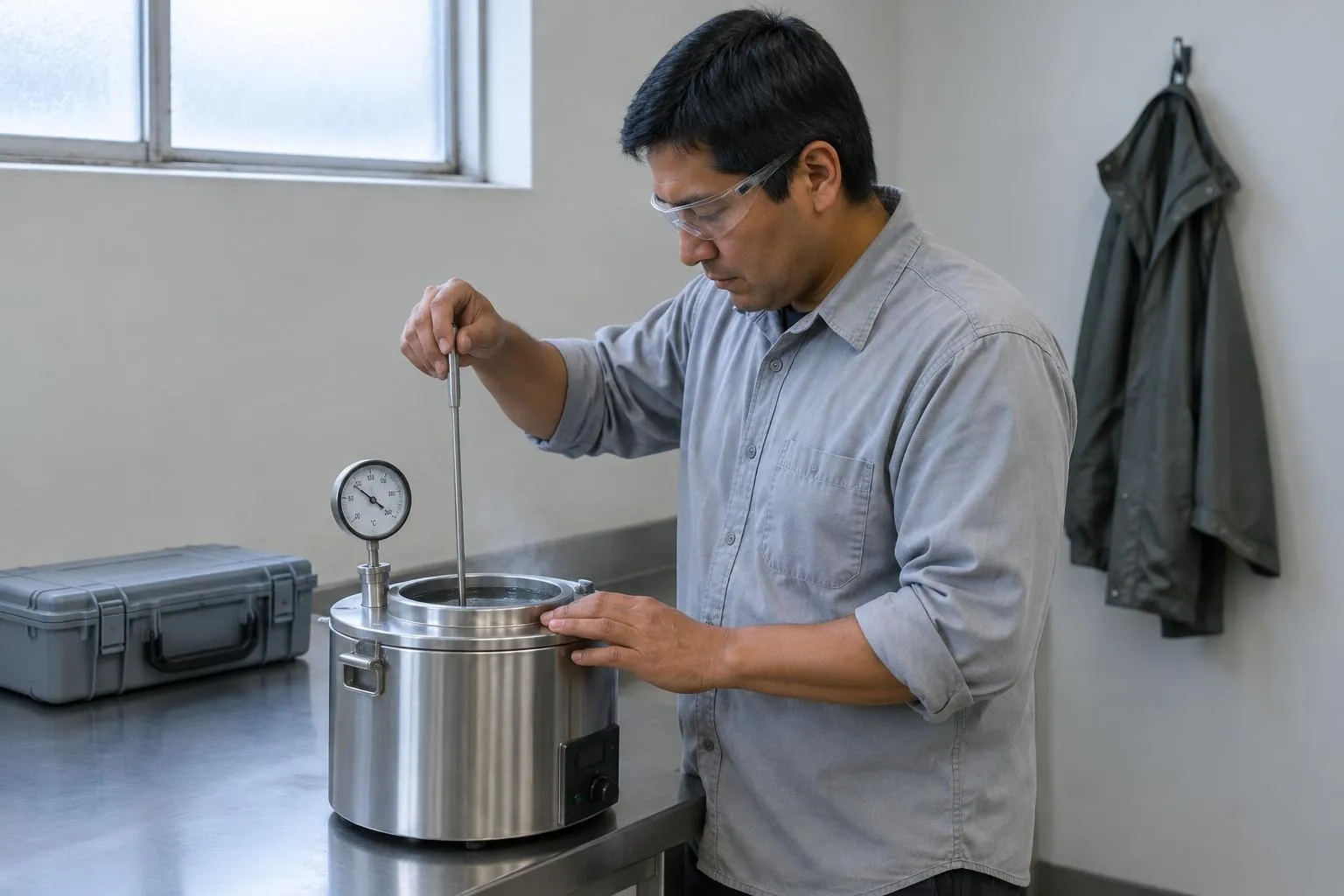
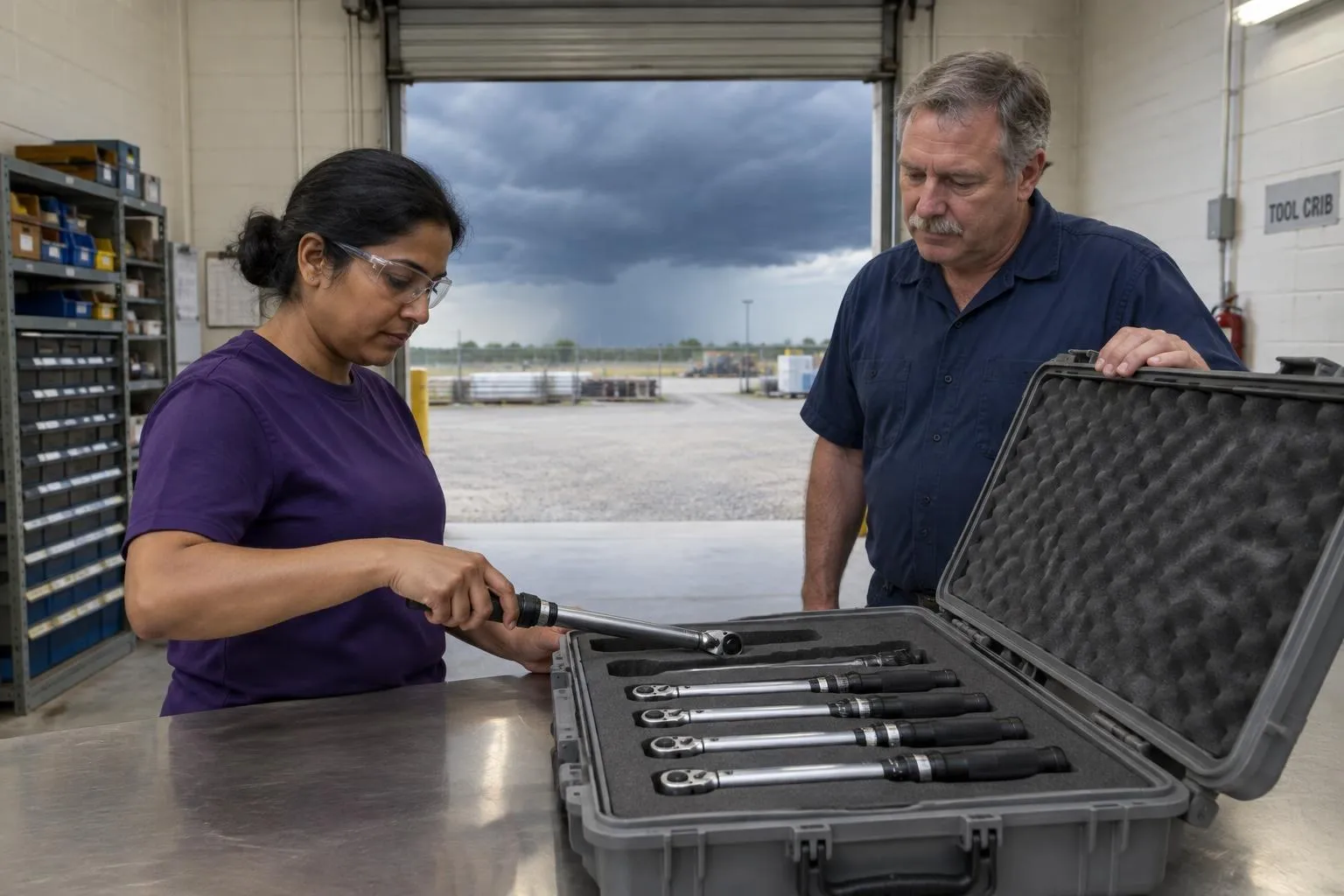
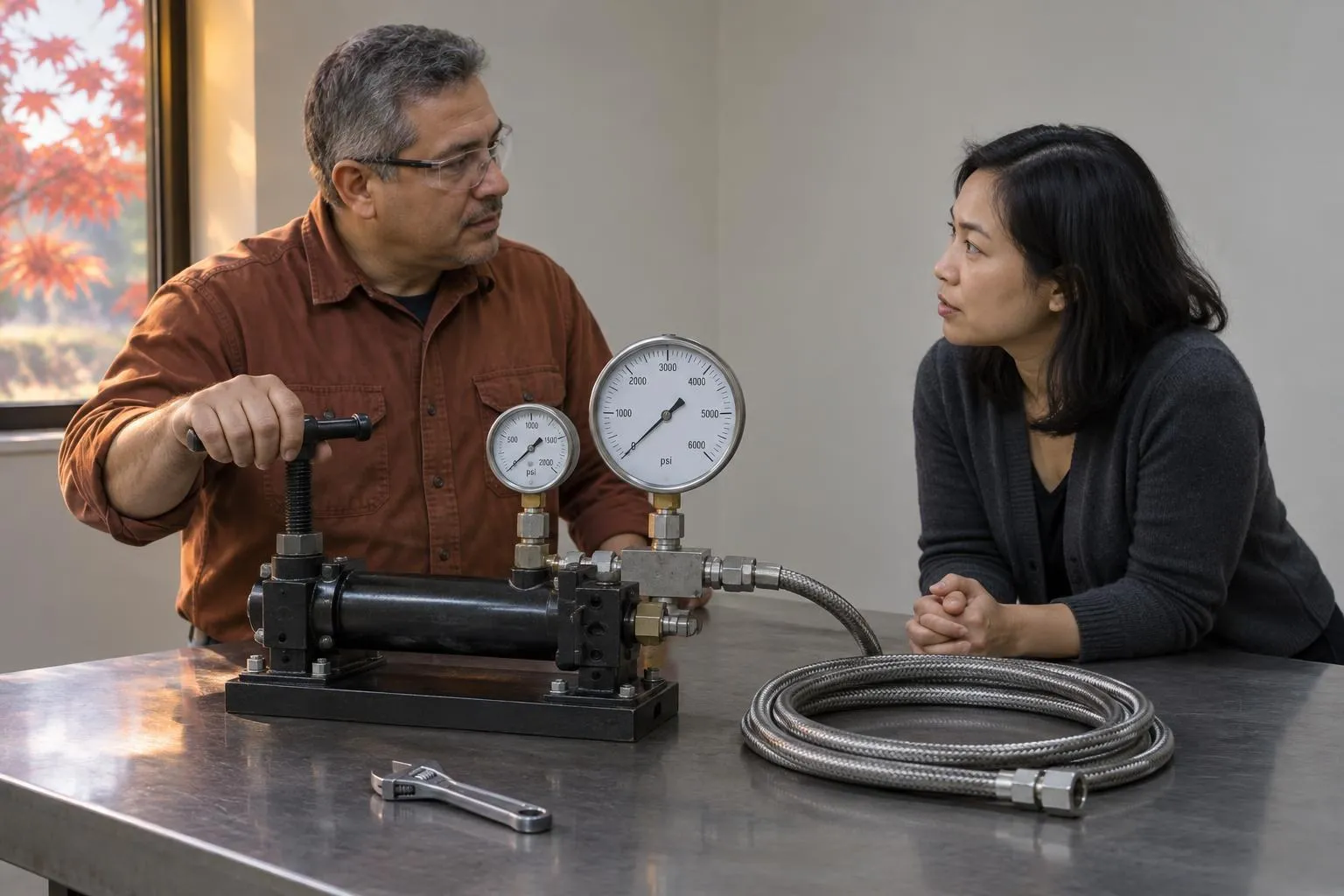
Calibration laboratorys listed in Los Angeles
See all 3 in Los Angeles →- 13.6★ (29) · ISO/IEC 17025:2017 · ANSI/NCSL Z540.3-2006
Micro Quality Calibration (MQC) provides calibration, repair, testing, and first article inspection for precision measurement test equipment. Founded in 1978, it serves Los Angeles customers and clients nationwide, including aerospace, automotive, medical, electronics, and communications businesses.
- 2ISO/IEC 17025:2017 accreditation · ASQ-certified technicians
Joint Matters Calibration Services provides ISO/IEC 17025:2017 accredited calibration and preventative maintenance, with laboratory services in Tarzana and on-site services throughout the United States. Its ASQ-certified technicians serve clients in healthcare, manufacturing, and utility sectors. Jon Mann is its CEO and founder.
- 3ISO/IEC 17025 accredited calibration laboratory · ISO 9001 registered company
Michelli Weighing & Measurement has provided weighing and measurement services since 1947. Its Santa Fe Springs laboratory offers standard and ISO/IEC 17025 accredited calibration for scales, balances, force and torque equipment, pressure devices, electronic instruments, and dimensional tools, depending on equipment and scope. The local team provides on-site calibration, repairs, preventative maintenance, installation support, and rentals to businesses throughout the greater Los Angeles area.
Get free quotes from calibration services in Los Angeles
Takes about a minute. Free, no obligation; providers reply to you directly.
A quality manager I know spent three weeks chasing down a failed audit because one torque wrench in the calibration cycle had expired certification — and the lab they’d been using for years couldn’t produce a traceability chain that satisfied the AS9100 auditor. Three weeks. For one instrument.
That’s the thing about calibration labs: you don’t think about them until you desperately need one, and by then the stakes are already high.
If you’re based in Los Angeles and you’re trying to figure out which lab to trust with your instruments, here’s what I found after digging through accreditation databases, BBB listings, and lab scope certificates.
The Short Version:Los Angeles has a solid cluster of ISO/IEC 17025-accredited calibration labs — mostly in the surrounding cities of Orange, La Mirada, Fullerton, and Irvine — with a few true veterans operating since the late 1970s. For most quality teams, the decision comes down to your instrument type, whether you need on-site service, and whether your auditor requires A2LA specifically. Don’t just Google “calibration lab near me” and call the first result.
Key Takeaways:
- The LA metro has 29+ calibration businesses, but accreditation scope varies wildly — verify before you commit
- Several labs have operated in Southern California for 40+ years, which matters for audit trail continuity
- ISO/IEC 17025 is the minimum; A2LA and ANAB accreditation add another layer of scrutiny
- Pricing is universally quote-based — factor in turnaround time and on-site availability, not just the number
What Makes the LA Market Different
Most industries in LA lean toward aerospace, medical devices, and defense — which means calibration requirements here skew stricter than average. A lab that handles HVAC gauges in Phoenix isn’t the same animal as one that services precision measurement tools for a Torrance aerospace supplier.
That context matters when you’re evaluating labs. ISO/IEC 17025 accreditation is the floor, not the ceiling.
Here’s what most people miss: accreditation scope certificates specify exactly which parameters and measurement ranges a lab is authorized to calibrate. A lab can be “ISO 17025 accredited” and still be unqualified to calibrate your specific instruments. Always pull the scope certificate.
Reality Check:“Accredited lab” on a website doesn’t mean accredited for your instruments. Download the actual A2LA or ANAB scope file and check the parameter columns before you send anything in.
The Labs Worth Knowing
Here’s an honest look at the main players serving the Los Angeles area:
| Lab | Location | Accreditation | Specialty | Est. |
|---|---|---|---|---|
| Cal-Labs | La Mirada, CA | A2LA / ISO 17025 | Dimensional calibration | 1977 |
| Transcat | Fullerton, CA | A2LA (3461-01) + ANAB | Broad scope | — |
| Micro Quality Calibration (MQC) | LA area | — | Calibration, repair, inspection | 1978 |
| International Process Solutions (IPS) | Los Angeles | ISO 17025 compliant | Pipette calibration | — |
| Micro Precision Calibration | Orange, CA | — | Instrument cal + repair | — |
| QSI | LA/Ventura/SB/Santa Clarita | Accredited metrology | Multi-county coverage | 1992 |
| UsCalibration | Irvine, CA | — | General calibration | — |
Cal-Labs (14747 Artesia Blvd, La Mirada) has been operating in Southern California since 1977 — 49 years at this point — and holds A2LA accreditation to ISO 17025. They focus on dimensional calibration, operate Monday through Friday 8am–4pm, and advertise sub-24-hour turnaround. That longevity matters: an auditor asking for historical calibration records is much easier to satisfy when your lab has been issuing NIST-traceable certificates for five decades.
Transcat’s Fullerton lab (1503 E. Orangethorpe Ave) holds both A2LA certification (3461-01) and ANAB accreditation — dual credentialing that covers a wider range of industry requirements. If your quality system spans multiple standards or you work across regulated industries, that breadth is worth paying attention to.
MQC has been running since 1978 and positions itself as a full-service shop: calibration, repair, testing, and First Article inspection under one roof. For teams that want to consolidate vendors, that’s a real operational advantage.
IPS is the specialist on this list — they focus specifically on pipette calibration with ISO 17025-compliant software and processes. If you’re running a biotech or life sciences operation in LA, IPS is worth a dedicated conversation.
Pro Tip:If you have multiple instrument types, ask any lab upfront whether they can handle your full scope in-house or whether they subcontract out specialty calibrations. Subcontracting isn’t disqualifying, but you need to know — and your auditor will ask.
On-Site vs. In-House: A Real Decision
Sending instruments off-site means downtime. For production environments, that’s often the real cost driver — not the calibration fee itself.
Several labs in the LA area offer mobile or on-site calibration (CSI and QSI both advertise regional field service across LA, Ventura, and Santa Barbara counties). QSI has been covering those counties since 1992 and emphasizes cost-effective metrology, which translates to: they compete on value, not just credentials.
Reality Check:On-site calibration is more convenient but typically costs more per instrument. If you have a large volume of instruments and most of them can leave the floor safely, in-lab service usually wins on price.
What to Actually Ask Before You Hire
Forget the generic “are you accredited?” question. Here’s what separates a useful vendor call from a wasted one:
- Pull their scope certificate — A2LA and ANAB publish these publicly. Cross-reference your instrument types against the authorized parameters.
- Ask about turnaround time in writing — Cal-Labs advertises under 24 hours; verify whether that’s standard or rush pricing.
- Ask if they issue NIST-traceable certificates for every calibration — this should be automatic, but confirm it explicitly.
- Ask who performs the calibration — is it in-house technicians, or does anything get subcontracted? If subcontracted, get the sub-lab’s accreditation documentation too.
- Ask about measurement uncertainty statements on their certificates. A certificate without uncertainty values is worth very little in an AS9100 audit.
For a deeper look at how accreditation standards actually work and what to look for in a certificate, see The Complete Guide to Calibration Laboratories.
Practical Bottom Line
The LA metro has enough accredited options that you shouldn’t have to compromise on credentials. Here’s how to cut through the noise:
- Need dimensional calibration with a long track record? Start with Cal-Labs in La Mirada.
- Need broad multi-parameter coverage with dual accreditation? Look at Transcat in Fullerton.
- Running a biotech or pharma operation? IPS is the pipette-specific specialist.
- Need multi-county field service? QSI covers LA, Ventura, Santa Barbara, and Santa Clarita.
- Want full-service (cal + repair + inspection) under one roof? MQC has been doing it since 1978.
Get at least two quotes, pull both scope certificates, and verify the turnaround time before your next audit window. The labs in this market are legitimate — the risk is picking one that’s technically accredited but not scoped for your specific instruments.
That’s a mistake that costs weeks, not hours.
Done reading? Get quotes from calibration laboratorys in Los Angeles.
Takes about a minute. Free, no obligation; providers reply to you directly.
Popular cities:
Nick built this directory to help quality teams find accredited calibration labs without wading through unaccredited shops that can’t support an ISO audit — a gap he discovered when sourcing calibration vendors for a manufacturing client whose instrument traceability chain failed a third-party audit.