Get free quotes from calibration services near you
Takes about a minute. Free, no obligation; providers reply to you directly.
A few years back, I watched a lab manager spend $180,000 on a brand-new dimensional measurement system — articulating arm, laser tracker, the works — and then get a nonconformance on their next A2LA surveillance audit. The equipment wasn’t the problem. Their temperature stabilization protocol was. The lab ran at 21°C during measurements but 26°C the rest of the day, and their thermal expansion corrections were a joke. The gear was impeccable. The technique was garbage.
That experience changed how I think about equipment in calibration laboratories entirely.
The Short Version:The gear that actually matters in a calibration lab is your reference standards, environmental controls, and measurement uncertainty documentation chain — not the brand name on your CMM or your newest automated rack. Expensive equipment won’t save a lab with poor technique, inadequate environmental controls, or weak uncertainty budgets.
Key Takeaways:
- ISO/IEC 17025 accreditation hinges on traceability and documented uncertainty — not hardware specs
- Environmental controls (temperature, humidity, vibration) affect measurement results more than most instrument upgrades
- Automated calibration systems have increased adoption by 60%, but automation amplifies bad process as readily as good
- 72% of industrial enterprises prioritize accredited labs — which means your accreditation scope matters more than your equipment catalog
What Actually Matters
Reference Standards: The Non-Negotiable
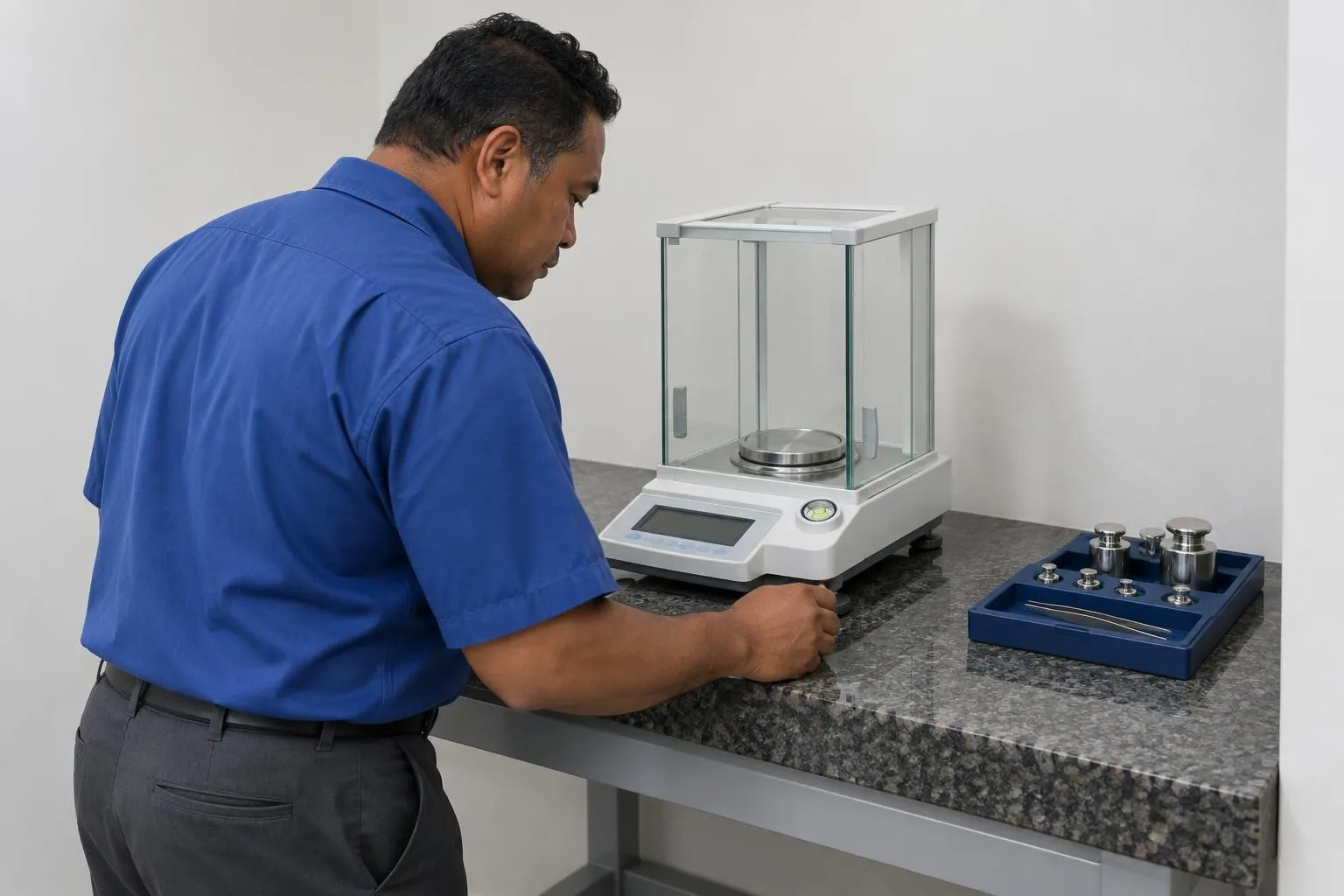
Your reference standards are the entire foundation. NIST-traceable, with current calibration certificates and documented uncertainty at every level of the traceability chain. No amount of fancy instrumentation compensates for a reference standard with an expired cert or an undocumented uncertainty contribution.
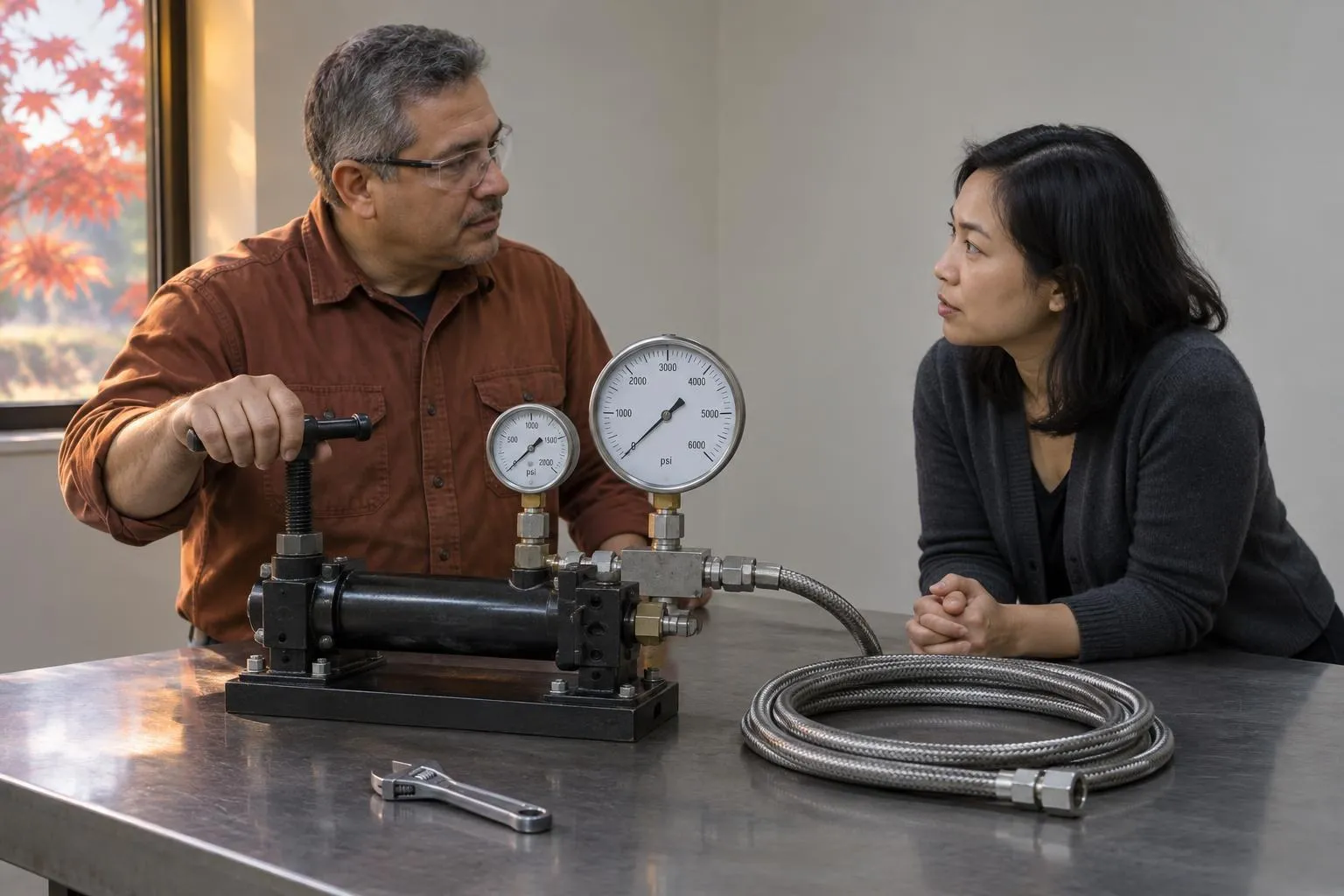
For electrical calibration, this means your Josephson voltage standards and quantum Hall resistance references. For dimensional work, your laser interferometers and gauge block sets. For pressure, your deadweight testers with piston-cylinder characterization. These items are where your budget should be protected first — not cut to fund a flashier workstation.
Reality Check:A $40,000 reference multimeter sitting on a bench with a two-year-old calibration certificate contributes more uncertainty to your results than a $12,000 meter with a fresh NIST-traceable cal. The certificate is the asset, not the box.
Environmental Controls: Where Most Labs Underinvest
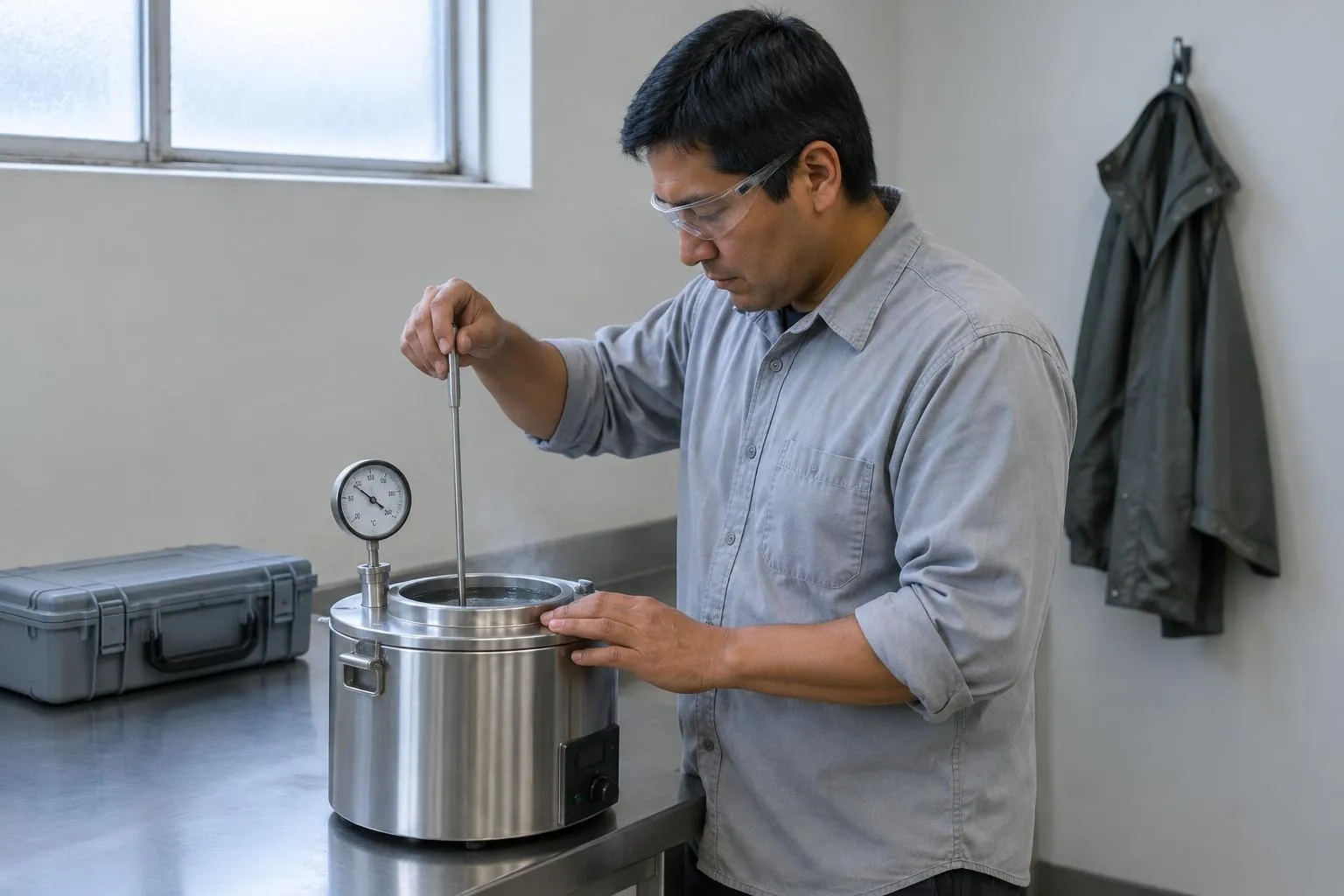
Temperature is the villain nobody talks about enough. For dimensional calibration at the highest accuracies, you need ±0.5°C or better, with soak times appropriate to the thermal mass of what you’re calibrating. For electrical standards, humidity and temperature stability affect your reference artifacts in ways that aren’t always obvious until your drift analysis catches them six months later.
The labs that consistently nail their uncertainty budgets invest heavily here — HVAC isolation, antivibration tables, EMI shielding for electrical labs, positive-pressure clean environments for optical work. This infrastructure is unglamorous and expensive. It also shows up directly in your CMC claims.
On-site calibration services that skip environmental control entirely are compensating with wider uncertainty statements — which is honest, but limits what they can certify. Mobile calibration units (like the IIT Madras model that handles 45 medical device types on-site) work precisely because they’ve engineered portable environmental control into the solution.
The Comparison Table: Real vs. Marketing
| Equipment Category | What Actually Matters | Common Marketing Fluff |
|---|---|---|
| CMMs / Dimensional | Probe qualification procedure, thermal stabilization, artifact uncertainty | Brand prestige, resolution spec in isolation |
| Electrical Standards | Traceability chain, drift characterization, humidity control | Auto-ranging speed, display resolution |
| Pressure Calibrators | Deadweight tester accuracy class, piston area uncertainty | Number of preset ranges |
| Automated Calibration Systems | Software validation, guard band implementation, audit trail | Throughput claims without accuracy context |
| Cloud/Software Platforms | Audit trail integrity, uncertainty rollup, scheduling logic | Dashboard aesthetics, mobile app |
| Thermometry | ITS-90 realization, fixed-point cells, interpolation method | ”Digital accuracy” claims |
The Automation Question
Automated calibration systems are real — adoption is up 60% across the industry, and AI-guided procedures with real-time feedback are reducing human error in high-volume labs. The efficiency gains are genuine. But here’s what the vendors won’t say in their pitch decks: automation scales your process, good or bad.
If your uncertainty budget is sloppy, your guard bands are wrong, or your environmental monitoring is inadequate, an automated system will execute those flaws faster and with more consistency than a human ever could. The AI anomaly detection tools that flag dataset outliers are only as good as the decision rules someone built into them.
Pro Tip:Before buying any automated system, ask the vendor to show you exactly how it calculates and documents measurement uncertainty for a specific calibration type in your scope. If they pivot to throughput numbers, you have your answer.
Dynamic calibration intervals — driven by AI analysis of historical drift data — are genuinely useful when implemented correctly. The idea of moving from fixed schedules to risk-based intervals can reduce unnecessary calibration cycles and catch actual drift before it causes a nonconformance. The complete guide to calibration laboratories covers how to evaluate whether a lab’s interval management approach reflects real uncertainty analysis or just marketing copy.
What’s Mostly Marketing
Headline resolution specs without context. A 0.001% specification means nothing without the associated uncertainty, environmental conditions, and reference standard traceability behind it.
“AI-powered” anything that can’t explain its uncertainty contribution. If a vendor can’t tell you how their predictive maintenance algorithm affects your measurement uncertainty budget, the AI is a dashboard feature, not a metrological tool.
Brand name alone. Fluke, Keysight, Mettler-Toledo — these companies make excellent equipment. They also make equipment that gets operated in environments and by procedures that destroy the value of the hardware. The instrument doesn’t know what lab it’s in.
Cloud platforms that emphasize dashboard features over audit trail integrity. The 55% growth in cloud calibration management software is real, but the differentiator is whether the platform generates defensible records for A2LA or NVLAP audits — not whether it looks good on mobile.
Reality Check:72% of industrial enterprises prioritize ISO/IEC 17025-accredited services. Your accreditation scope certificate — what parameters, ranges, and CMCs you’re actually authorized to claim — is the document your customers are buying. No equipment investment matters if it doesn’t expand or protect that scope.
Practical Bottom Line
If you’re evaluating a calibration laboratory’s capabilities or building your own, here’s where to focus:
-
Start with the accreditation scope. A2LA and NVLAP publish scope certificates publicly. Verify the lab is accredited for the specific parameter, range, and measurement uncertainty you need — not just “calibration services” generically.
-
Ask about environmental monitoring. Request temperature logs from the lab’s last 30 days of operation. A good lab will hand these over without hesitation.
-
Audit the uncertainty budget. For any critical calibration, ask to see the uncertainty analysis. It should reference specific contributions from the reference standard, the instrument under test, the environment, and the measurement process.
-
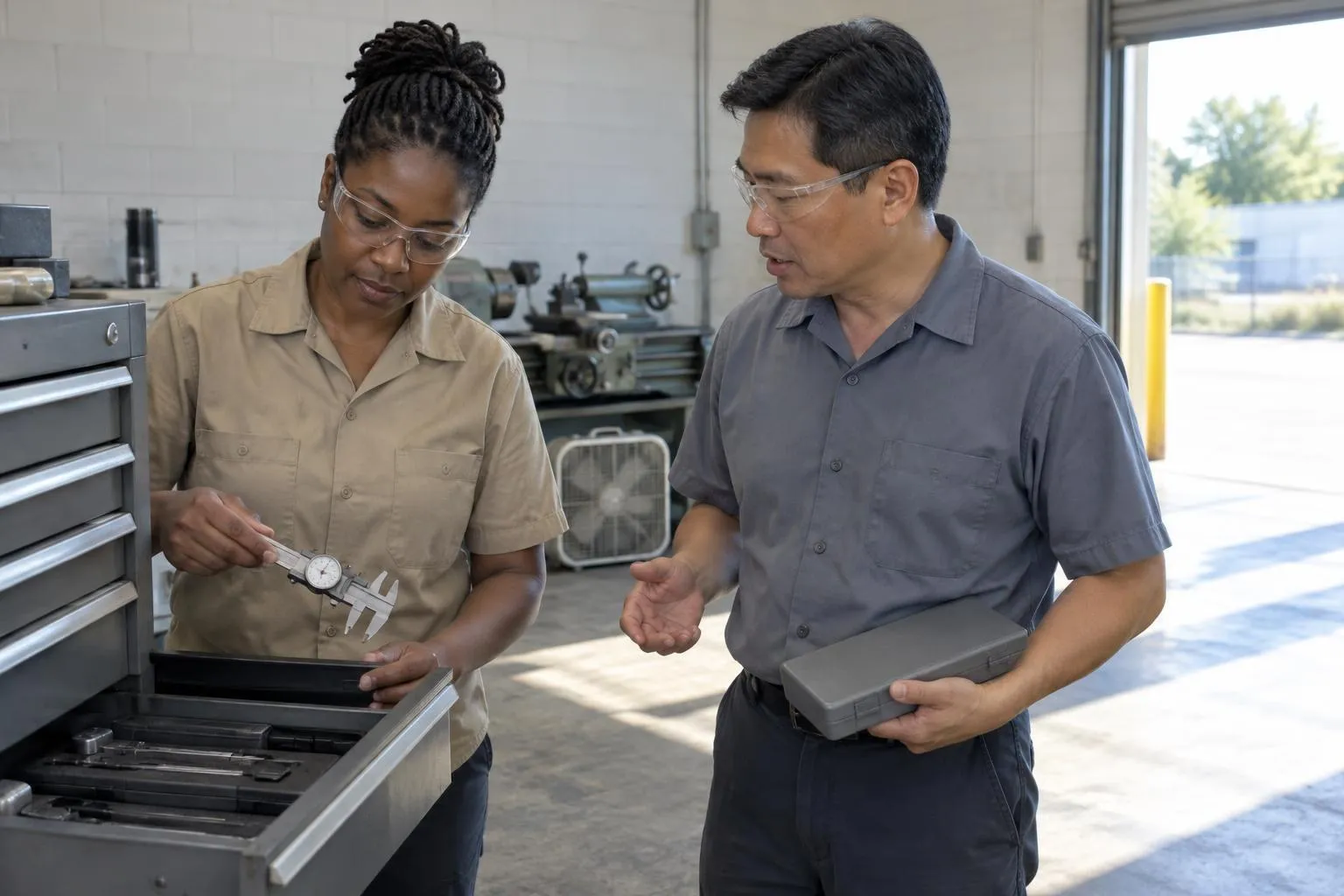
Evaluate technique, not just equipment. Watch how technicians handle artifacts — thermal soak times, cleanliness protocols, fixturing approach. A lab with a $20,000 CMM and good technique will outperform one with a $200,000 system and careless handling.
The calibration services market is hitting USD 7.4 billion in 2026 and growing at 7.5% annually. There’s a lot of money chasing a lot of equipment. The labs that earn long-term trust from aerospace, medical device, and automotive customers aren’t the ones with the most impressive gear lists — they’re the ones who understand that every instrument is only as good as the uncertainty budget behind it.
Done reading? Get quotes from calibration laboratorys near you.
Takes about a minute. Free, no obligation; providers reply to you directly.
Popular cities:
Nick built this directory to help quality teams find accredited calibration labs without wading through unaccredited shops that can’t support an ISO audit — a gap he discovered when sourcing calibration vendors for a manufacturing client whose instrument traceability chain failed a third-party audit.