

Calibration Laboratories in San Jose, CA
Compare curated calibration laboratories, check certifications, read reviews, and request quotes — all in one place.
Top-Rated in San Jose
No providers match this filter.
Providers with an office in the SF Bay area, matched by the ZIP code of their published address.
Also in California: Orange County area (1)
Need help choosing? Get matched with top providers in seconds.
0 providers selected
Are you a calibration laboratory in San Jose? Already listed here: SIMCO Electronics, SIMCO Electronics, SIMCO Electronics and 3 more.
List your businessHow Calledger Works
Browse & Compare
View curated providers, check certifications, and read real client reviews.
Request Quotes
Select up to 5 providers and send your project details. Free, no obligation.
Book Your Calibration Laboratory
Compare quotes, check availability, and book directly with the provider.
Finding a qualified calibration laboratory in San Jose sounds simple until you’re three weeks from an AS9100 audit and the lab your supplier recommended can’t actually calibrate your torque transducers — their scope certificate expired in 2023. This directory exists to cut through that noise: every listing has been vetted for accreditation status so you’re not calling labs that sound legitimate but aren’t.
How to Choose a Calibration Laboratory in San Jose
-
Verify accreditation scope before anything else. ISO/IEC 17025 accreditation is table stakes, but the scope certificate is what matters. A lab accredited for electrical calibration can’t necessarily touch your pressure gauges. Pull the A2LA or NVLAP scope certificate directly from the accreditation body’s database — not from the lab’s website — and confirm your specific instrument types and measurement ranges are covered.
-
Ask about NIST traceability documentation. Every calibration certificate should include an unbroken chain of traceability to NIST reference standards. If a lab can’t produce clear traceability documentation, their certificates won’t hold up during an FDA or DCSA audit. This matters especially for San Jose’s dense medical device and defense contractor ecosystem.
-
Match the lab to your industry’s audit requirements. AS9100 Rev D (aerospace) and ISO 13485 (medical devices) have slightly different calibration documentation expectations than plain ISO 9001. Several labs in the South Bay specialize in one vertical but not the other. Ask directly: “Have you supported AS9100 Stage 2 audits?”
-
Check turnaround time against your maintenance schedule. Standard turnaround in the Bay Area runs 5–10 business days. Expedited service (24–48 hours) is available but typically doubles the cost. If you’re running a semiconductor fab or production line that can’t wait, confirm rush availability before you ship anything.
-
Get a quote that itemizes by instrument type. Dimensional, electrical, thermal, and mechanical calibrations are priced differently. A bundled “calibration package” quote can obscure significant per-item variance — and makes it hard to compare labs apples-to-apples.
Pro Tip: California Bureau of Automotive Repair and DTSC environmental rules don’t touch calibration labs directly, but if your instruments involve hazardous materials (mercury thermometers, certain pressure media), confirm the lab’s handling compliance before shipping. It’s a real-world friction point that rarely shows up in lab marketing.
What to Expect
Calibration engagements in San Jose typically run $500–$5,000 depending on instrument count, complexity, and whether on-site service is required. Most quality managers are surprised to find that a single precision CMM calibration can hit $1,500–$2,500 on its own. The process: ship instruments (or schedule on-site), receive calibration certificates with as-found/as-left data and uncertainty values, update your equipment management system. Straightforward.
Reality Check: The cheapest quote almost always means the lab is skipping measurement uncertainty analysis or using out-of-tolerance reference standards. If a certificate doesn’t list measurement uncertainty, it’s not ISO/IEC 17025-compliant — and your auditor will flag it. Pay for the real thing once instead of explaining a nonconformance twice.
Local Market Overview
San Jose sits at the center of one of the highest concentrations of precision manufacturing in the country — aerospace primes and subcontractors from Mineta Airport north through Moffett Field, medical device firms clustered in North San Jose, and semiconductor equipment makers throughout the 101/880 corridor. That density means calibration labs here are genuinely competitive and generally well-equipped, but demand spikes hard in Q4 as companies race to close out annual calibration cycles before year-end audits. Book early or expect a queue.
Frequently Asked Questions
How much does a calibration laboratory cost in San Jose?
Calibration Laboratory services in San Jose typically run $500-5,000 per calibration engagement, depending on scope, complexity, and turnaround requirements. Expedited work and specialized equipment add cost.
What should I look for in a calibration laboratory?
Look for ISO/IEC 17025 — it's the credential that separates qualified calibration laboratories from the rest. Also verify insurance, check reviews, and confirm they can handle your project's specific requirements.
How many calibration laboratories are in San Jose?
There are currently 6 calibration laboratories listed in San Jose, CA on Calledger.
What does "Sponsored" mean on a listing?
Sponsored providers pay for more prominent placement on pages where they already qualify to appear. Payment does not change a provider's location, credentials or reviews, and it is not an endorsement. All providers on Calledger — sponsored or not — are real businesses.
Calibration laboratory Resources
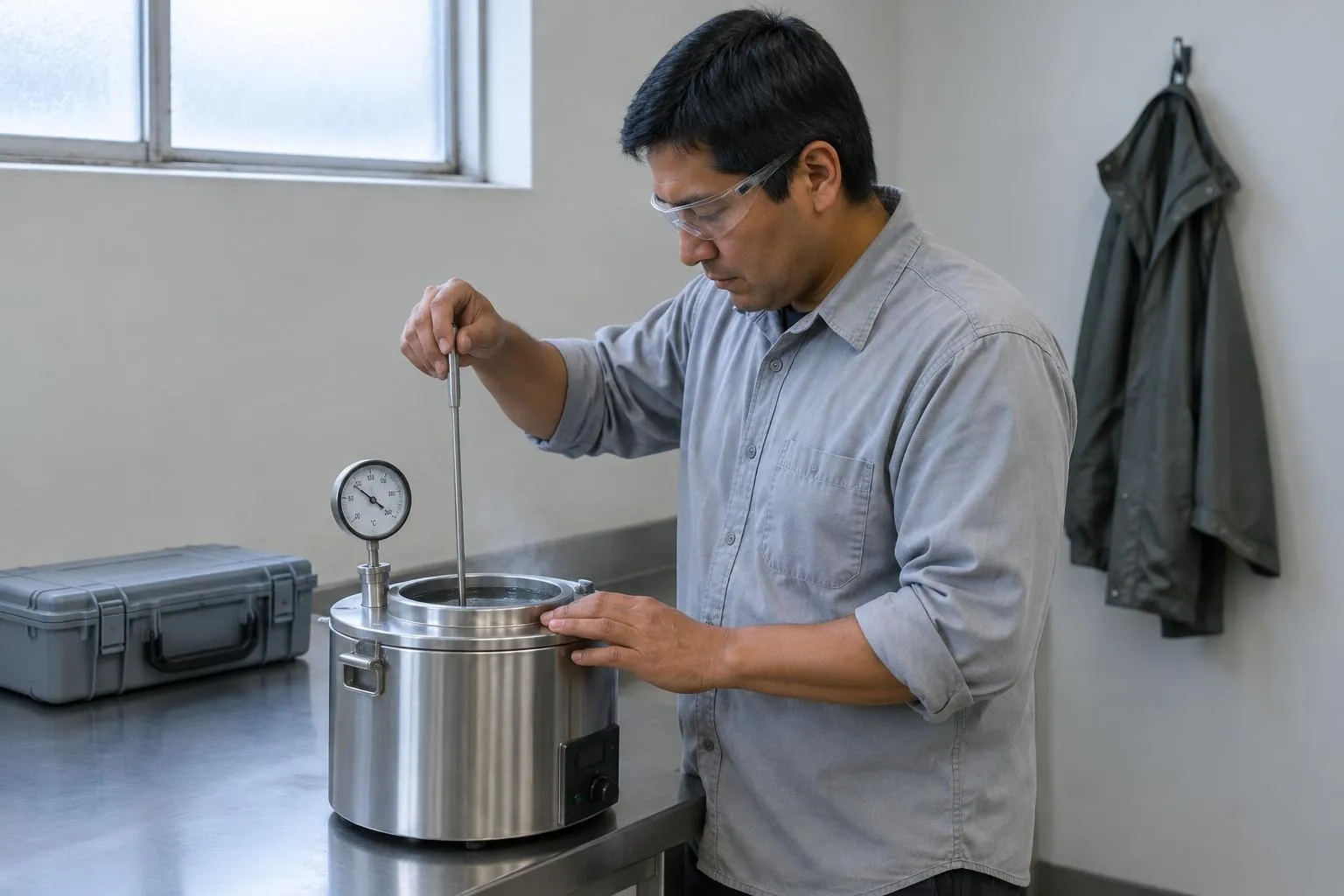
Freelance vs. Agency Calibration Laboratory: Which Should You Hire?
Freelance calibration techs cost less upfront, but one missing ISO 17025 certificate can sink your A2LA audit. Here's how to choose the right calibration…
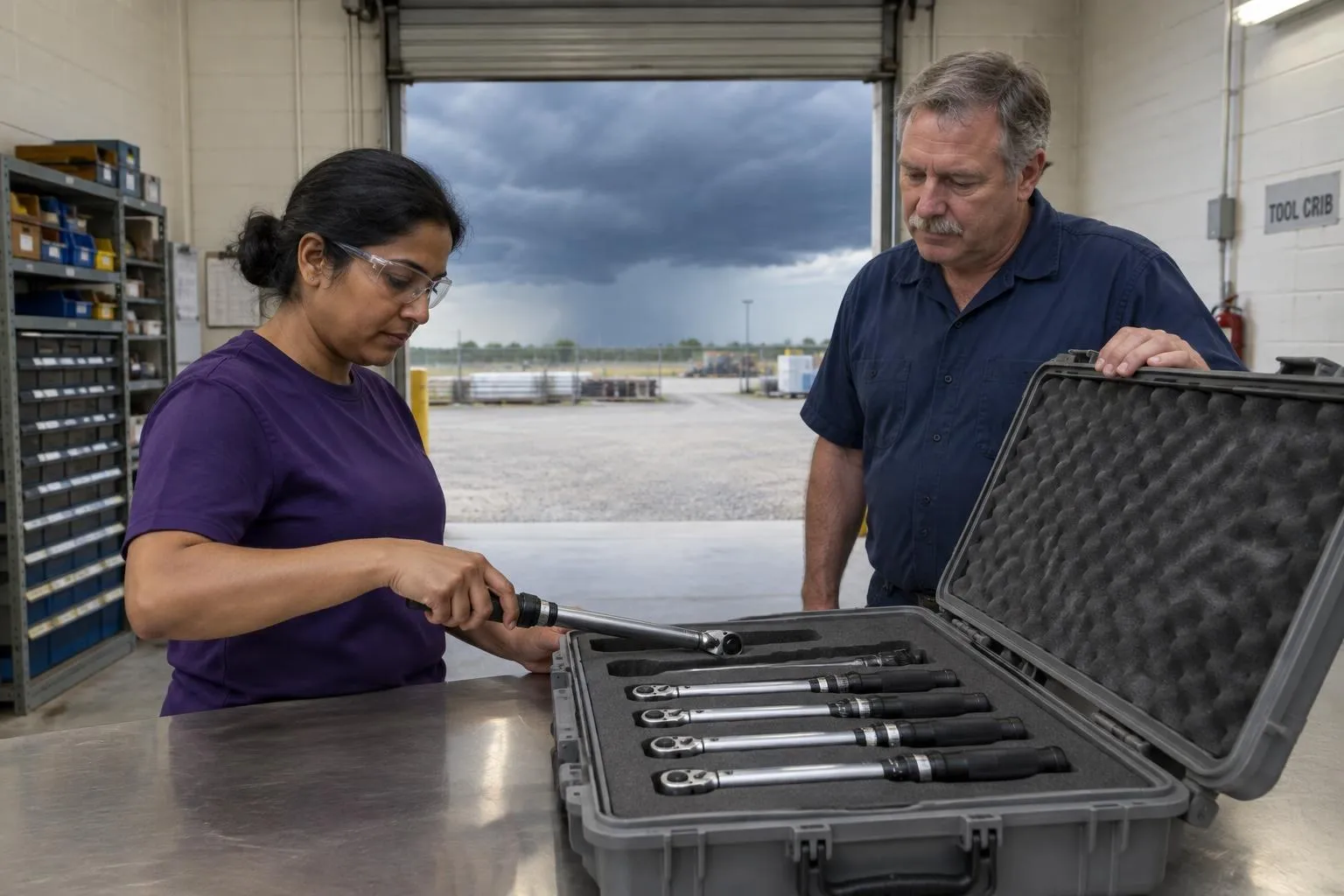
What to Expect When You Hire a Calibration Laboratory (Step by Step)
7–10 business days, start to finish — here's exactly what hiring a calibration laboratory looks like, so your instruments are back before the audit deadline.
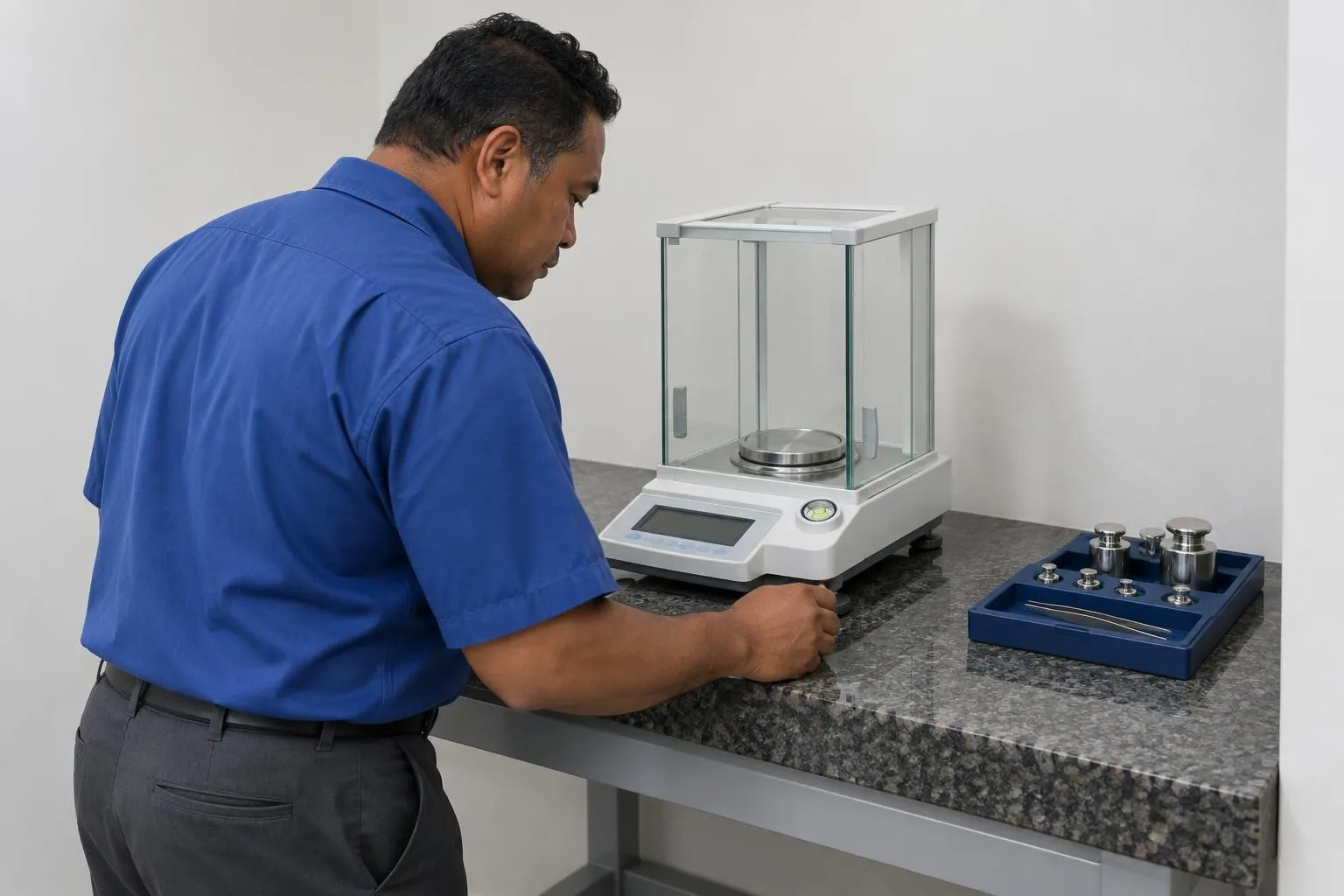
9 Common Calibration Laboratory Mistakes (And How to Avoid Them)
Most calibration laboratory failures come down to process, not instruments: wrong schedules, lost accreditation, bad environments. Here are all 9 fixes.
Looking for more? Browse our full resource library or find calibration laboratorys in other cities.