

Office in Santa Clara, CA
Calibration Laboratories in San Francisco, CA
Compare curated calibration laboratories, check certifications, read reviews, and request quotes — all in one place.
0 providers Updated October 2026
No providers match this filter.
Providers with an office in the City Of San Francisco area, matched by the ZIP code of their published address.
📋
No Calibration Laboratorys Listed in San Francisco Yet
We're actively expanding our directory. In the meantime, try browsing nearby cities or check back soon as new providers are added regularly.
Elsewhere in the SF Bay(6)
Offices in another part of the SF Bay, listed on their own local page.
Office in Santa Clara, CA
Office in Santa Clara, CA
Office in Santa Clara, CA
Office in Santa Clara, CA
4 / 5 · 3reviews
Office in Santa Clara, CA
Also in California: Orange County area (1)
Are you a calibration laboratory in San Francisco?
List your businessHow Calledger Works
01
Browse & Compare
View curated providers, check certifications, and read real client reviews.
02
Request Quotes
Select up to 5 providers and send your project details. Free, no obligation.
03
Book Your Calibration Laboratory
Compare quotes, check availability, and book directly with the provider.
Finding a qualified calibration laboratory in San Francisco shouldn’t feel like navigating a procurement maze, but here we are — dozens of labs in the Bay Area claim accreditation, and without knowing the difference between A2LA scope certificates and marketing copy, you can end up with an out-of-tolerance instrument, a failed audit, and a very uncomfortable conversation with your quality manager. This directory cuts through the noise by surfacing only labs with verifiable credentials and traceable standards, so you can get your instruments certified and get back to work.
How to Choose a Calibration Laboratory in San Francisco
- Verify accreditation scope, not just the logo. Any lab can print “ISO/IEC 17025 accredited” on a business card. What matters is their scope certificate — the A2LA or NVLAP document that lists exactly which parameters (dimensional, electrical, pressure, thermal) and measurement ranges they’re authorized to calibrate. If your torque wrench falls outside their documented range, that certificate is worthless for your audit.
- Match the lab to your industry’s regulatory body. Aerospace suppliers operating under AS9100 have different traceability requirements than medical device firms under FDA 21 CFR Part 820. San Francisco’s dense medtech corridor — UCSF research affiliates, biotech firms along Mission Bay — means many local labs have specifically built out their scopes for medical and life science instrumentation. Ask which industry customers they primarily serve.
- Ask for measurement uncertainty statements upfront. A calibration certificate without a stated measurement uncertainty is just a piece of paper. Any reputable ISO/IEC 17025 lab will provide uncertainty budgets as a matter of course. If you have to ask twice, that’s a signal.
- Check turnaround against your production schedule. Standard turnaround in the Bay Area runs 5–10 business days; expedited service (1–3 days) typically carries a 25–50% premium. If you’re up against an audit deadline, confirm capacity before you drop off instruments — labs serving the semiconductor and aerospace clusters in South Bay often get backed up during Q1 and Q3 audit seasons.
- Confirm on-site calibration capability for fixed equipment. Coordinate measurement machines, large CNC tooling, and environmental test chambers can’t come off the floor. Several SF-area labs run mobile calibration teams with traceable field standards — but verify their portable reference equipment carries the same accreditation scope as their fixed-lab work.
Pro Tip: Pull the lab’s current scope certificate directly from the A2LA or NVLAP public directory before your first call. It takes 60 seconds and tells you more than their website ever will.
What to Expect
Calibration engagements in San Francisco typically run $500–$5,000 depending on instrument count, complexity, and whether the work is in-lab or on-site; a single precision multimeter might cost $150 as a line item, but a full annual calibration cycle across 30 instruments for a quality management system audit often lands in the $2,000–$4,000 range with documentation packages included. Most labs will issue a calibration certificate per instrument, traceable to NIST reference standards, within 5–10 business days of receipt.
Reality Check: The biggest pricing mistake quality teams make is shopping on per-instrument rate alone. A lab charging $80/instrument with slow turnaround, thin documentation, or a scope certificate that doesn’t cover your full parameter set will cost you far more when your registrar kicks back the audit package.
Local Market Overview
San Francisco sits at the center of a calibration market shaped by three converging industries — semiconductor manufacturing, life sciences, and aerospace defense — which means local labs tend to be more specialized and more technically demanding than average, but also more accustomed to tight tolerances and rigorous documentation requirements. California’s own Bureau of Weights and Measures adds a state-level compliance layer that out-of-state labs sometimes overlook, making local accredited providers particularly valuable for regulated industries operating under both federal and California-specific measurement standards.
Frequently Asked Questions
How much does a calibration laboratory cost in San Francisco?
Calibration Laboratory services in San Francisco typically run $500-5,000 per calibration engagement, depending on scope, complexity, and turnaround requirements. Expedited work and specialized equipment add cost.
What should I look for in a calibration laboratory?
Look for ISO/IEC 17025 — it's the credential that separates qualified calibration laboratories from the rest. Also verify insurance, check reviews, and confirm they can handle your project's specific requirements.
How many calibration laboratories are in San Francisco?
There are currently 0 calibration laboratories listed in San Francisco, CA on Calledger.
What does "Sponsored" mean on a listing?
Sponsored providers pay for more prominent placement on pages where they already qualify to appear. Payment does not change a provider's location, credentials or reviews, and it is not an endorsement. All providers on Calledger — sponsored or not — are real businesses.
Calibration laboratory Resources
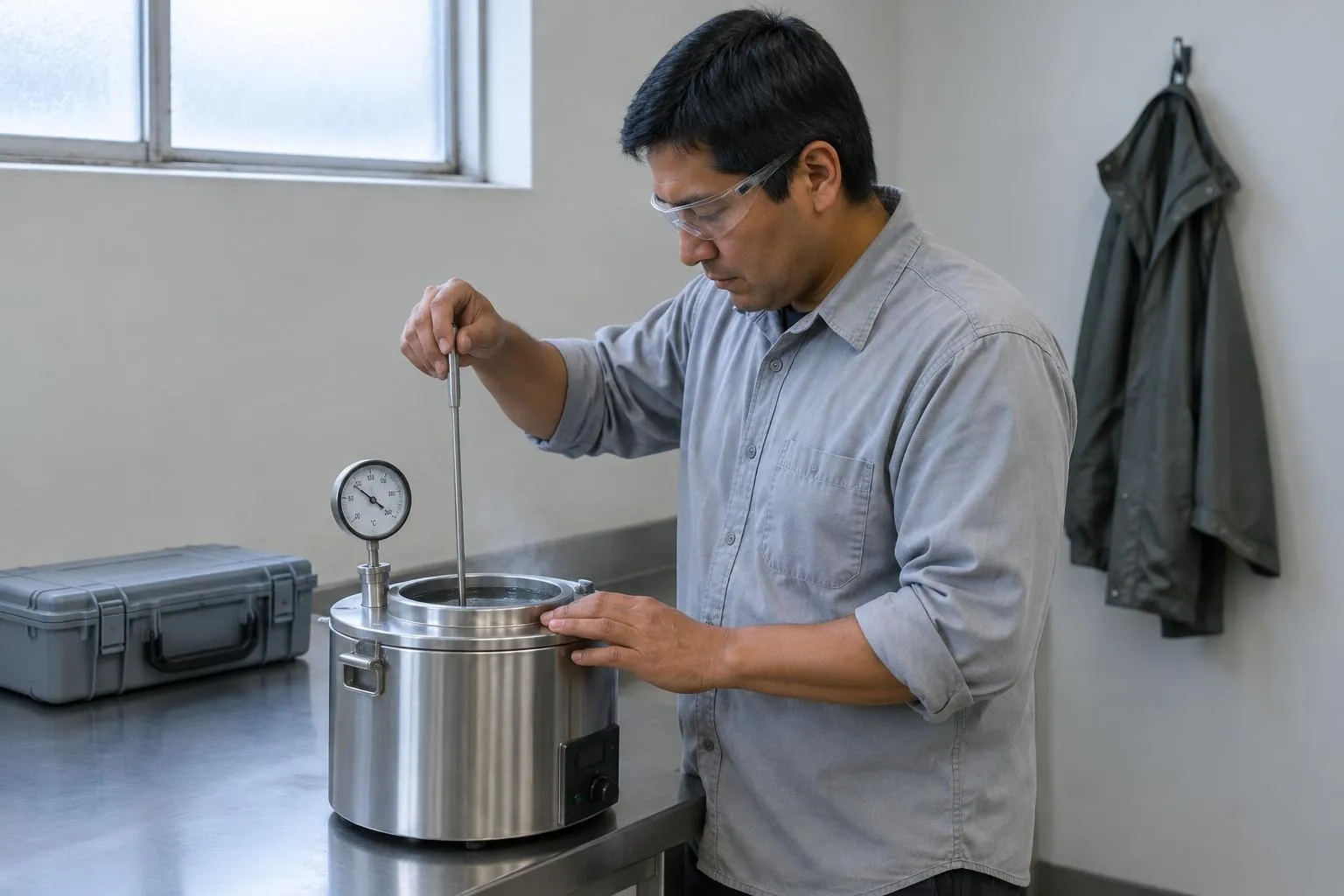
Freelance vs. Agency Calibration Laboratory: Which Should You Hire?
Freelance calibration techs cost less upfront, but one missing ISO 17025 certificate can sink your A2LA audit. Here's how to choose the right calibration…
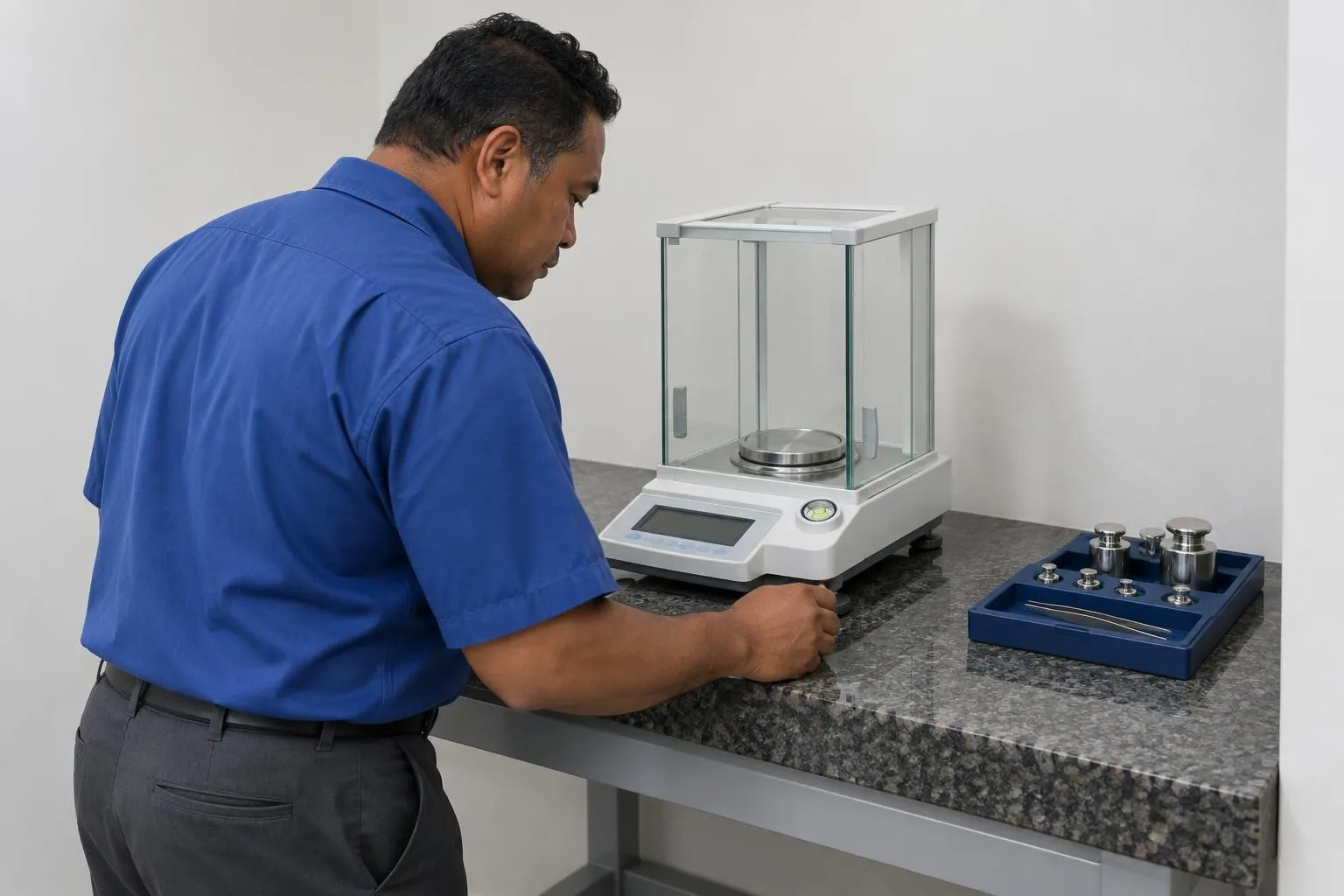
9 Common Calibration Laboratory Mistakes (And How to Avoid Them)
Most calibration laboratory failures come down to process, not instruments: wrong schedules, lost accreditation, bad environments. Here are all 9 fixes.
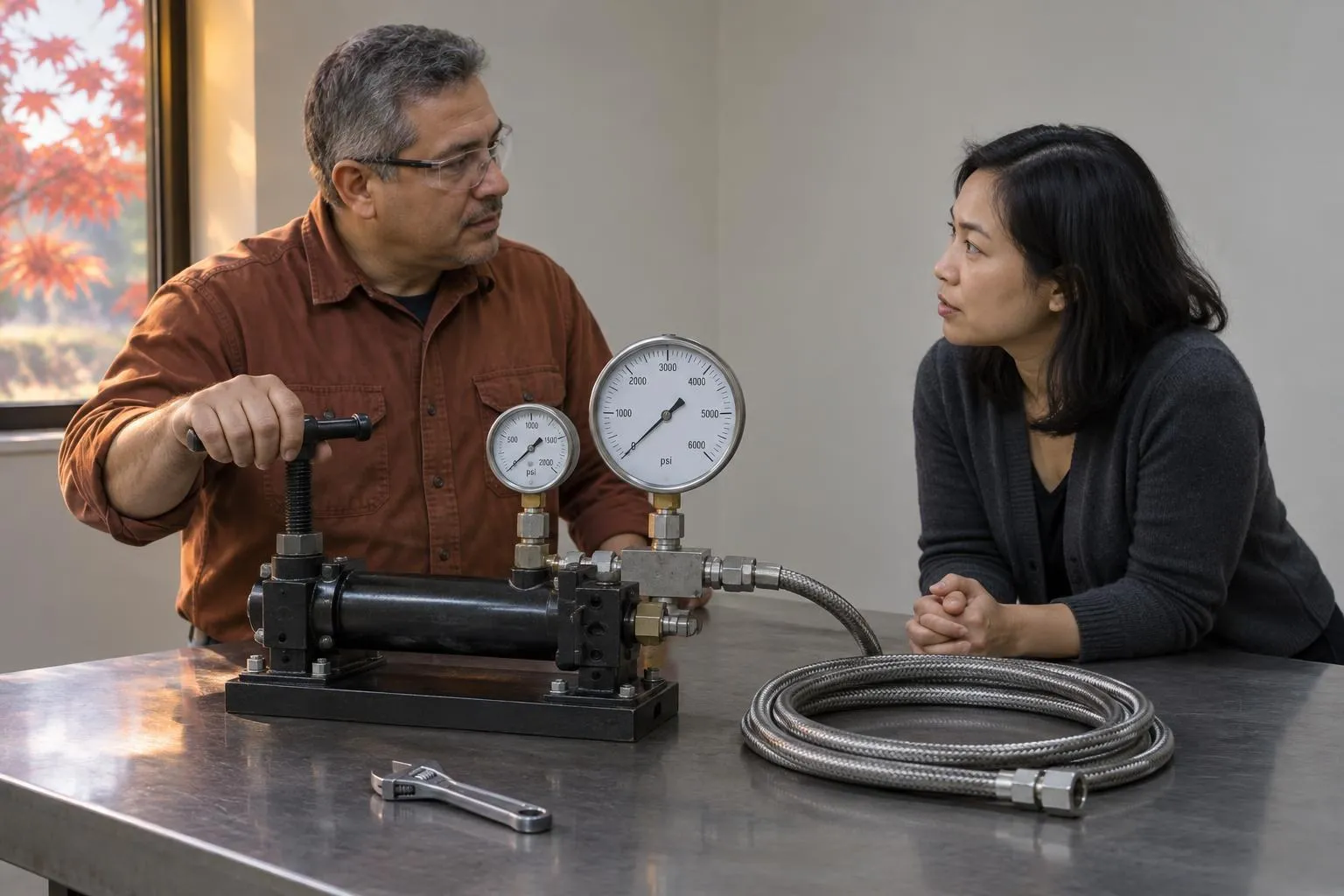
How to Review a Calibration Laboratory's Work (Quality Checklist)
8-point checklist for reviewing calibration laboratory work: verify as-found data, NIST traceability, uncertainty values, and ISO/IEC 17025 accreditation…
Looking for more? Browse our full resource library or find calibration laboratorys in other cities.